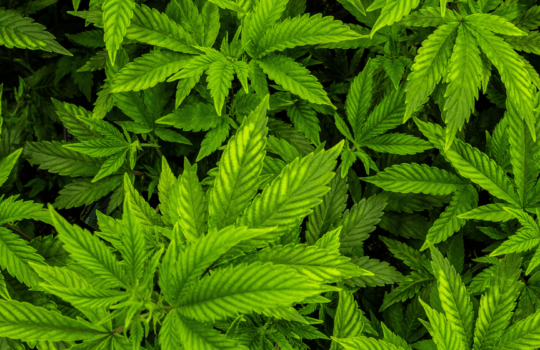
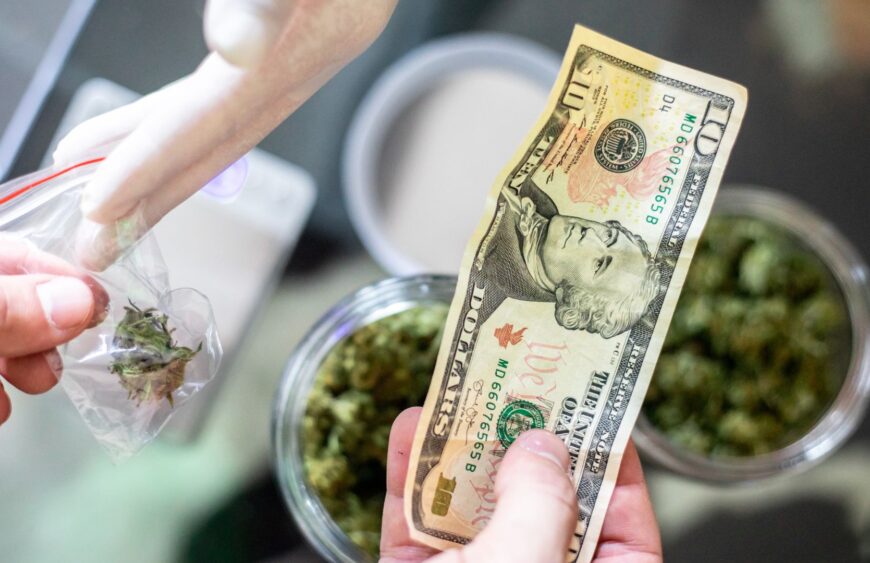
Cannabis health benefits are getting serious attention from scientists and doctors these days. What people used as medicine thousands of years ago is now backed by real research. Scientists have found over 100 different compounds in cannabis, with THC and CBD being the ones we know most about.
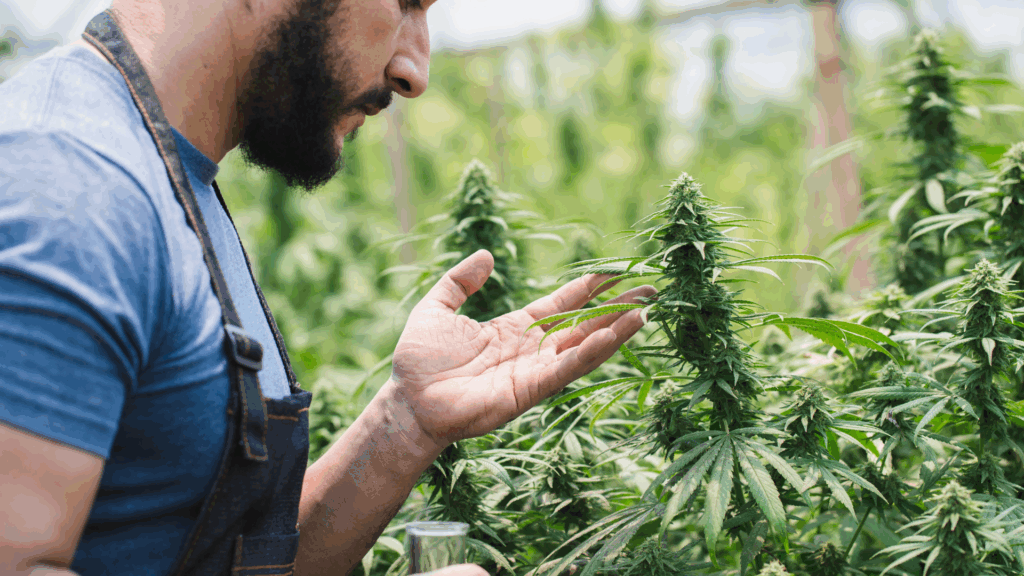
Doctors are starting to see cannabis as a real treatment option for many health problems. Canada legalized medical cannabis, making it much easier for patients to get these treatments with proper medical guidance. The old stigma around cannabis is slowly fading as more solid evidence comes out about what it can actually do for people’s health.
Understanding Cannabis and Its Components
Cannabis has tons of active compounds that work together to affect your body in different ways. You’ve got cannabinoids and terpenes as the main players, and each one does something different for your health.
The Endocannabinoid System
Your body already has its own cannabinoid system called the endocannabinoid system, or ECS for short. This network of receptors, enzymes, and natural cannabinoids helps control lots of body functions. The ECS affects your sleep, mood, appetite, memory, and how your immune system works.
CB1 receptors hang out mostly in your brain and nervous system. CB2 receptors are spread throughout your immune system and other organs. When you use cannabis, the plant’s cannabinoids connect with these receptors and can change how different parts of your body work.
Research shows the ECS helps keep your body balanced, which is called homeostasis. This explains why cannabis can help with so many different health issues.
Primary Cannabinoids
THC is the compound that makes you feel high. But beyond that psychoactive effect, THC might help with pain relief, reducing nausea, and boosting appetite. Studies show THC can be really helpful for people going through chemo or dealing with ongoing pain.
CBD doesn’t make you high but offers several potential health benefits. Research suggests CBD might help reduce inflammation, anxiety, seizures, and chronic pain. Lots of people like CBD products because they can get potential health benefits without feeling intoxicated.
Other cannabinoids like CBG, CBN, and CBC are being studied too. Early research hints these lesser-known cannabinoids might offer their own unique benefits.
Terpenes and Their Role
Terpenes are the compounds that give plants their smell, including cannabis. But they don’t just make things smell good – they might also add to cannabis’s healing effects through something scientists call the “entourage effect.”
Some common cannabis terpenes include myrcene, which might make you sleepy, and limonene, which could boost your mood. Pinene might help you stay alert and remember things better, while linalool may help you relax.
When cannabinoids and terpenes work together, they might be more effective than using isolated compounds by themselves. This supports using full-spectrum cannabis products instead of just isolated cannabinoids.
Evidence-Based Cannabis Health Benefits
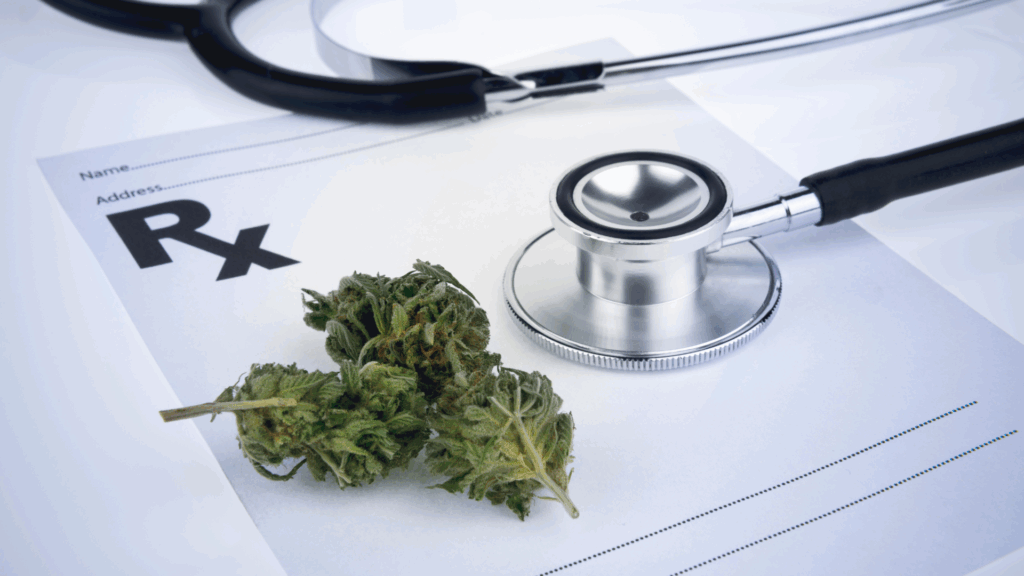
Real scientific studies have found several areas where cannabis shows promise as a treatment option. We still need more research, but current evidence suggests cannabis might help with various health conditions.
Pain Management
One of the biggest cannabis health benefits is pain relief. Multiple studies show that both THC and CBD can help reduce different types of pain. Chronic pain affects millions of people worldwide, and regular pain meds often come with nasty side effects.
A big review published in the Journal of Pain Research found that cannabis-based medicines could reduce chronic pain in adults. The study noted that patients reported better quality of life and needed fewer opioid medications.
Here are the main types of pain that might respond to cannabis:
- Neuropathic pain from nerve damage appears particularly responsive to cannabis treatment
- Research suggests cannabinoids might interrupt pain signals going to your brain
- This makes cannabis a potential option for diabetic neuropathy, multiple sclerosis, and fibromyalgia
- Inflammatory pain may also respond well to cannabis, especially CBD
- Studies show CBD has anti-inflammatory properties that could help with arthritis pain
Mental Health Applications
Cannabis shows promise for several mental health conditions, though research is still developing. Anxiety disorders affect millions of people, and CBD has shown potential as an anti-anxiety treatment.
A 2019 study in The Permanente Journal found that CBD might help reduce anxiety and improve sleep in real patients. People in the study reported lower anxiety scores and better sleep quality after taking CBD.
PTSD is another area where cannabis health benefits are being studied. Some research suggests cannabis might help reduce nightmares, improve sleep, and decrease hyperarousal symptoms in PTSD patients.
Depression research is trickier because THC might make depressive symptoms worse in some people while helping others. CBD looks more promising for depression treatment, with studies suggesting it might help regulate serotonin levels.
Neurological Conditions
Epilepsy research has given us some of the strongest evidence for cannabis health benefits. The FDA approved Epidiolex, a CBD-based medication, for treating certain types of epilepsy.
Clinical trials showed CBD significantly reduced seizure frequency in patients with Lennox-Gastaut syndrome and Dravet syndrome. These rare forms of epilepsy often don’t respond to regular treatments, making CBD a real breakthrough for many patients.
Multiple sclerosis patients might benefit from cannabis treatment for:
- Muscle spasticity and stiffness
- Pain management
- Bladder control problems
- Sativex, a cannabis spray with THC and CBD, is approved in several countries for MS spasticity
Parkinson’s disease research suggests cannabis might help with movement problems, sleep issues, and pain. Small studies show cannabis might improve quality of life for Parkinson’s patients, though we need more research.
Cancer-Related Symptoms
Cancer patients often deal with nausea, vomiting, loss of appetite, and pain from both the disease and treatments. Cannabis health benefits for cancer patients focus on managing symptoms, not treating the cancer itself.
Chemo-induced nausea and vomiting can be severe and sometimes don’t respond to regular anti-nausea meds. Studies show THC can be effective for reducing these symptoms. Some patients find cannabis works better than prescription anti-nausea drugs.
Cancer-related pain is often complex and involves multiple pain types. Research suggests cannabis might help manage this pain and potentially reduce the need for opioid medications. This matters a lot given the risks of long-term opioid use.
Appetite loss is common in cancer patients and can lead to dangerous weight loss. THC is known to boost appetite, which may help cancer patients maintain their weight and nutrition during treatment.
Sleep Disorders
Sleep problems affect tons of people and can really hurt quality of life. Cannabis, especially strains high in certain compounds, might help improve sleep quality.
THC appears to help people fall asleep faster and might increase deep sleep phases. However, it might reduce REM sleep, which is important for memory and mood. Some people build up a tolerance to THC’s sleep effects over time.
CBD might help with sleep by tackling underlying issues like anxiety or pain that mess with rest. Unlike THC, CBD doesn’t seem to directly cause drowsiness but might promote better sleep by treating conditions that disrupt sleep.
Research on cannabis for sleep disorders is still limited, but many patients report better sleep quality when using cannabis products made for nighttime use.
Methods of Cannabis Consumption
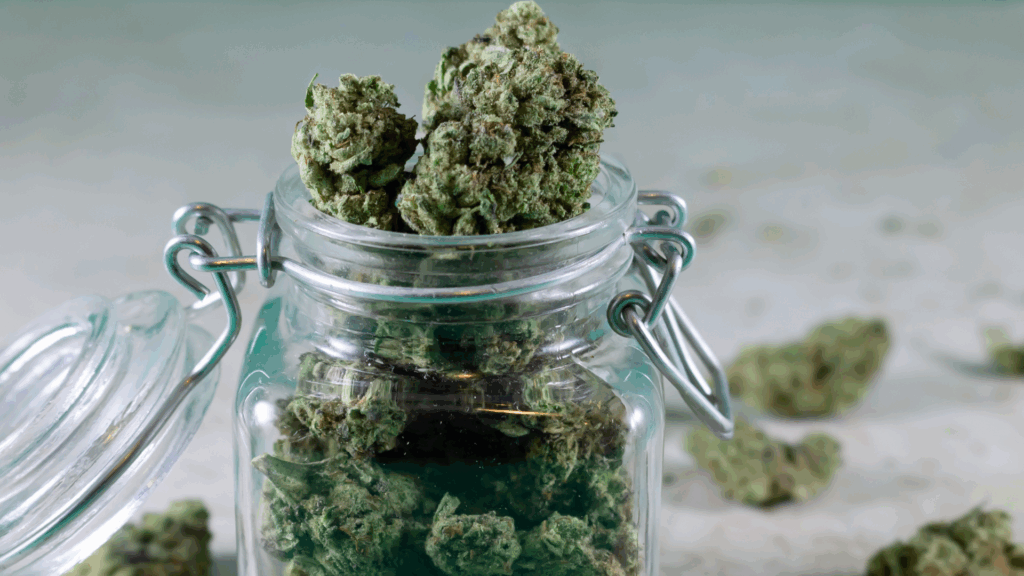
Different ways of using cannabis affect how quickly it works, how long effects last, and which compounds your body absorbs. Understanding these differences helps you choose the best method for your specific needs.
Inhalation Methods
Smoking is still one of the most common ways people use cannabis. Effects usually start within minutes and peak around 30 minutes. The quick onset makes it easier to control your dose because you can take small amounts and see how you feel.
But smoking involves burning the plant, which creates potentially harmful compounds. While cannabis smoke seems less harmful than tobacco smoke, it can still irritate your lungs and throat.
Vaporizing heats cannabis just enough to release cannabinoids and terpenes without burning. This method might be healthier than smoking while still giving you quick effects. You can use dry herb vaporizers or concentrate vaporizers for different experiences.
Oral Consumption
Edible cannabis products have to go through your digestive system before they work. This usually takes 30 minutes to 2 hours, and effects can last 4 to 8 hours or even longer.
Your liver converts THC into 11-hydroxy-THC, which might produce different effects than inhaled THC. Some people find edible effects more intense or longer-lasting than inhaled cannabis.
Dosing edibles can be tricky because of the delay. Many people make the mistake of taking more when they don’t feel anything right away. Start with low doses (2.5 to 5mg THC) and wait at least 2 hours before taking more.
Tinctures and oils can be taken under your tongue for faster absorption than regular edibles. This method usually produces effects within 15 to 45 minutes.
Topical Applications
Cannabis-infused topicals include creams, balms, and lotions you put directly on your skin. These products usually don’t make you high because cannabinoids don’t easily get into your bloodstream through skin.
Topical cannabis might help with localized pain, inflammation, and skin problems. Some people use cannabis topicals for arthritis pain, sore muscles, or skin irritation.
Research on topical cannabis is limited, but people report these products might help with certain conditions. We need more studies to confirm how well they work.
Dosing and Safety Considerations
Finding the right cannabis dose is different for everyone and depends on lots of factors. Your body weight, metabolism, tolerance level, and the specific condition you’re treating all affect what dose works best for you.
Start Low, Go Slow
The most important rule for cannabis dosing is “start low and go slow.” This approach helps minimize side effects while you find an effective dose. If you’re new to cannabis, starting with 1 to 2.5mg of THC or 5 to 10mg of CBD is usually recommended.
Slowly increasing your dose over several days or weeks lets you find your sweet spot while watching for side effects. Keeping track of doses, effects, and any problems can help you figure out what works.
Different ways of using cannabis need different dosing approaches:
- Inhaled cannabis lets you control dose more precisely because you feel effects quickly
- Edible products need more patience because of their delayed onset
- Topical products typically require larger amounts for localized effects
Potential Side Effects
Cannabis health benefits come with potential side effects you should know about. Common THC side effects include dry mouth, red eyes, faster heart rate, and poor coordination. Some people get anxious or paranoid, especially with high doses.
CBD is usually well-tolerated but can cause drowsiness, dry mouth, or appetite changes. CBD might also interact with certain medications by affecting liver enzymes that break down drugs.
Long-term cannabis use might lead to tolerance, meaning you need higher doses for the same effects. Some heavy users might experience withdrawal symptoms when they stop, including irritability, sleep problems, and decreased appetite.
Drug Interactions
Cannabis can interact with various medications, especially those processed by your liver. CBD is more likely to cause drug interactions than THC because of how it affects certain liver enzymes.
Blood thinners, seizure medications, and heart medications might be affected by cannabis use. If you take prescription medications, talk to your healthcare provider before using cannabis products.
Some interactions might actually be helpful. For example, cannabis might let you reduce doses of certain pain medications. However, these changes should always be made under medical supervision.
Legal Considerations and Quality Assurance
Cannabis laws are really different between countries and regions. In Canada, cannabis is federally legal for both medical and recreational use, but there are still rules about production, distribution, and consumption.
Understanding the legal landscape helps ensure you stay compliant while accessing quality products safely.
Medical vs Recreational Access
Medical cannabis programs often give you access to higher-potency products and might offer cost advantages through insurance coverage or tax breaks. Medical patients might also get access to products not available in recreational markets.
Recreational cannabis markets focus on adult consumers and might have different product selections and potency limits. Some areas let you grow at home for personal use, while others restrict access to licensed stores.
Understanding local laws is important for staying legal. Possession limits, where you can consume, and transportation rules vary by location.
Product Quality and Testing
Legal cannabis markets usually require testing for potency, pesticides, heavy metals, and harmful microbes. This testing helps ensure product safety and accurate labeling.
Third-party lab testing provides independent verification of product quality. Good cannabis companies make lab results available to consumers through certificates of analysis.
Consistent dosing matters for medical use, and regulated products are more likely to give you accurate potency information. This consistency helps patients get predictable effects.
Choosing Reputable Sources
Licensed cannabis retailers have to follow strict rules about product handling, storage, and sales. These businesses get regular inspections and must keep detailed records.
Unlicensed sources might sell products without proper testing or quality controls. These products might contain harmful stuff or have wrong potency information.
Research cannabis companies and read customer reviews to find reputable brands. Companies that invest in quality testing and clear labeling are generally safer choices.
Future Directions and Research

Cannabis research is expanding fast as legal barriers come down and scientific interest grows. Current studies are looking into new uses, better dosing methods, and improved delivery systems.
The future of cannabis medicine looks promising as researchers continue to uncover new therapeutic applications and develop better treatment protocols.
Emerging Research Areas
Researchers are studying cannabis for conditions like autism, Alzheimer’s disease, and inflammatory bowel disease. Early results look promising, but we need more clinical trials to establish safety and effectiveness.
Personalized cannabis medicine is a new field that aims to match specific cannabis products with individual patient needs based on genetics, medical history, and other factors.
Cannabis health benefits might go beyond what we’re currently studying. As research continues, we might discover new therapeutic uses.
Technological Advances
New delivery methods are being developed to make cannabis medicine more effective and reduce side effects. These include sustained-release formulations, targeted delivery systems, and precise dosing devices.
Better extraction methods are letting researchers isolate and study minor cannabinoids and terpenes. These compounds might offer unique therapeutic benefits we haven’t fully explored yet.
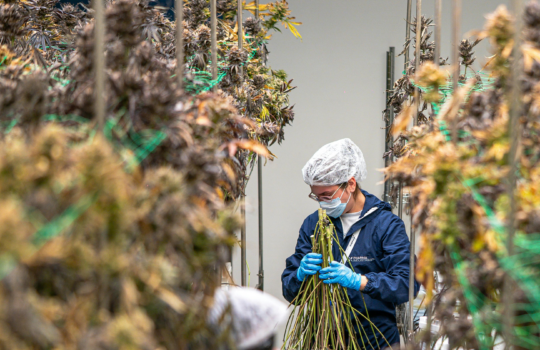
Cannabis growing techniques are improving product consistency and quality. Controlled growing environments and selective breeding are producing cannabis with specific cannabinoid and terpene profiles.
Cannabis represents a promising area of medical research with potential benefits for various health conditions. While we need more studies to fully understand its therapeutic uses, current evidence suggests cannabis might help with pain management, certain mental health conditions, neurological disorders, and cancer-related symptoms.
The key to successful cannabis use is education, proper dosing, and working with knowledgeable healthcare providers. As research continues and laws change, cannabis might become an increasingly important tool in modern medicine.
People considering cannabis for health purposes should start with low doses, choose high-quality products from trusted sources, and talk with healthcare providers who know about cannabis medicine. With proper guidance and realistic expectations, many people might find cannabis helpful for improving their quality of life.