Understanding cannabis laws Canada requires more than just knowing marijuana is legal here. Since 2018, the rules have gotten pretty detailed, and they’re not the same everywhere. The federal government sets some basics, but each province does things a bit differently.
You need to know what’s allowed where you live, what you can carry around, and where you can actually use it. This guide covers the real details that keep you on the right side of the law.
Legal Age Requirements Across Canada

The age you need to be to buy and use cannabis changes depending on where you live in Canada. Most provinces picked 19 as the magic number. That includes Ontario, BC, Saskatchewan, New Brunswick, Newfoundland and Labrador, Nova Scotia, PEI, and all three territories.
Alberta lets you buy cannabis at 18, same as their drinking age. Quebec started at 18 too but bumped it up to 21 in 2020. They’re the only province that went that high.
Getting caught giving cannabis to someone underage is serious business. Adults who sell or give marijuana to minors can face up to 14 years in prison. The courts don’t mess around with this one.
Parents can’t share their stash with their teenage kids either, no matter the reason. No exceptions exist for family situations or health issues.
Kids caught with small amounts of cannabis don’t usually get criminal charges. Police typically give warnings, assign community service, or send them to education programs. The system tries to teach young people instead of giving them criminal records that could wreck their future opportunities.
Personal Possession Limits and Cannabis Laws Canada
Adults across Canada can legally carry 30 grams of dried cannabis in public. That’s the federal rule, though some provinces made it stricter. This baseline applies everywhere, but you need to check your province for extra rules.
The 30-gram limit works with other cannabis products too, just converted to match dried flower. Here’s how it breaks down:
- 1 gram dried cannabis = 5 grams fresh cannabis
- 1 gram dried cannabis = 15 grams of edibles
- 1 gram dried cannabis = 70 grams of liquid products
- 1 gram dried cannabis = 0.25 grams of concentrates
- 1 gram dried cannabis = 1 plant seed
Quebec only lets you carry 5 grams outside your home. Saskatchewan sticks with 30 grams but says you can’t have any cannabis in your vehicle unless it’s sealed and locked away somewhere you can’t reach while driving. BC follows the federal limits but adds no-go zones around schools and playgrounds.
Go over the possession limit and you’re looking at tickets or worse. Carrying 30 to 50 grams gets you fined up to $1,000. Anything over 50 grams without authorization becomes criminal, with up to five years in prison possible. Police measure everything in dried flower equivalent, so do the math if you’re carrying different products.
At home, you can keep more cannabis than you can carry around. The federal government doesn’t set a home storage limit, but Manitoba caps it at 150 grams per household. Quebec does the same. Whatever you store needs to stay locked up and away from anyone underage.
Home Cultivation Rules Under Cannabis Laws Canada
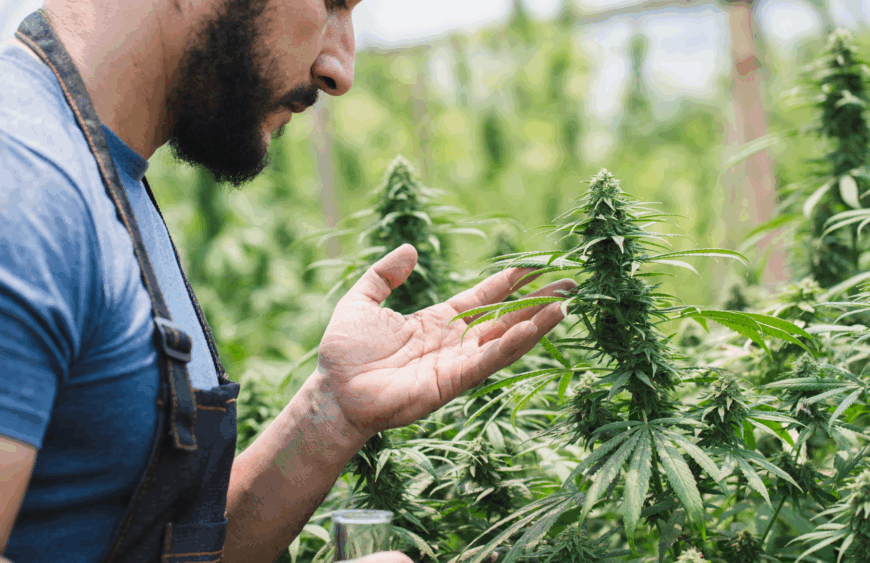
Federal law says you can grow four cannabis plants at home. That’s per household, not per person. So if you have roommates, you all share those four plants. They can grow as tall as you want, though most people keep them reasonable for practical reasons.
Some provinces said no to home growing completely. Quebec and Manitoba both banned it, even though federal law allows it. In those provinces, you have to buy everything from stores.
BC lets you grow the four plants but you need to keep them hidden from public view. Saskatchewan allows growing but only indoors or in secure outdoor spots where nobody walking by can see them.
Keeping your plants out of sight matters almost everywhere. If you grow outdoors, your plants can’t be visible from streets, sidewalks, parks, or your neighbour’s yard. You need fences, screens, or a greenhouse to keep things private.
Some cities have their own rules too, sometimes banning outdoor growing completely. Check your local bylaws before you plant anything.
Security is required, not optional. Your growing area needs to be locked or blocked off from anyone under the legal age. Indoor grows need locked rooms or cabinets.
Outdoor plants need a fenced yard with a locking gate. If a minor gets access to your plants, you could face fines or criminal charges. That responsibility sits squarely on you as the grower.
Renters and condo owners have extra hoops to jump through. Landlords can ban growing in lease agreements. Condo boards can pass rules against growing in units or on balconies. Breaking these private rules can get you evicted, even though federal law technically lets you grow. Property owners get a lot of say over what happens on their land.
Public Consumption Regulations
Where you can actually smoke or vape cannabis depends heavily on your province. Each one handles public consumption differently, and the rules get pretty specific about locations.
Most provinces treat cannabis smoke like tobacco smoke. You can’t use it anywhere smoking cigarettes is banned. That covers indoor public spaces, workplaces, cars, and spots near building doors. Parks and beaches might be okay unless local rules say otherwise.
Ontario took a hard line and banned public consumption entirely. You can only use cannabis at home or in certain licensed places. No smoking or vaping in parks, on beaches, in parking lots, or on sidewalks. Edibles are trickier to enforce since nobody can see you eating them, but being visibly high in public can still get you in trouble.
BC lets you smoke cannabis most places where tobacco is allowed. Parks and beaches are usually fine unless the local government banned it. You still can’t smoke within six meters of doorways, windows, or air intakes. Provincial parks often have their own rules that limit consumption to specific areas.
Alberta allows public consumption in most outdoor spaces where tobacco gets the green light. You can smoke and vape in parks, on streets, and in outdoor public areas.
Stay at least 10 meters away from playgrounds, skate parks, sports fields, and outdoor pools. Calgary and Edmonton added some downtown restrictions through city bylaws.
Quebec banned cannabis in all public spaces except private homes. Their definition of public space is broad, covering parks, streets, and building entrances.
Get caught and you’re looking at fines starting at $250 for your first offense. You also can’t consume in vehicles, even parked ones.
Saskatchewan follows a similar pattern, keeping cannabis out of anywhere tobacco is banned. The province adds specific no-go zones near schools, rec facilities, and public gathering spots. Cities can make their own bylaws that add more restrictions on top of provincial rules.
Driving and Cannabis Laws Canada
Driving high is illegal and taken just as seriously as drunk driving. Police have oral fluid screening devices they can use at traffic stops. Officers can demand testing even if you don’t look impaired.
Blood THC levels determine if you’re over the legal limit. Having 2 to 5 nanograms of THC per millilitre of blood within two hours of driving gets you fined up to $1,000 for a first offense.
Levels above 5 nanograms bring harsher penalties including mandatory minimum fines, losing your licence, and possible jail time. Mix alcohol and cannabis together and you face a separate charge with its own penalties.
The consequences get worse each time you’re caught. First-timers usually get fines and short driving bans. Second offenses mean mandatory jail time of at least 30 days plus longer licence suspensions.
Third and later offenses bring minimum 120-day jail sentences and even longer bans. You also get a criminal record that affects jobs, travel, and insurance costs.
Here’s the problem: THC stays in your blood way longer than you stay high. Regular users can test positive days after their last use, even when they’re completely sober.
The law doesn’t care about tolerance or how often you use. Medical cannabis patients get no special treatment either. Test positive above the limit and you’re charged, period.
Provinces add their own administrative penalties on top of federal criminal charges. Most suspend your licence immediately when you fail a roadside test, before you even see a judge.
These suspensions last anywhere from 24 hours to several months depending on where you are and what happened. They often impound your vehicle too, creating instant headaches.
Open cannabis in your vehicle brings separate charges. All cannabis products need to stay in closed, unopened packages while you’re driving. Opened packages belong in the trunk or somewhere the driver and passengers can’t reach.
Passengers can’t consume cannabis in moving vehicles under any circumstances. These rules apply even when you’re parked on a public road.
Purchasing and Selling Regulations

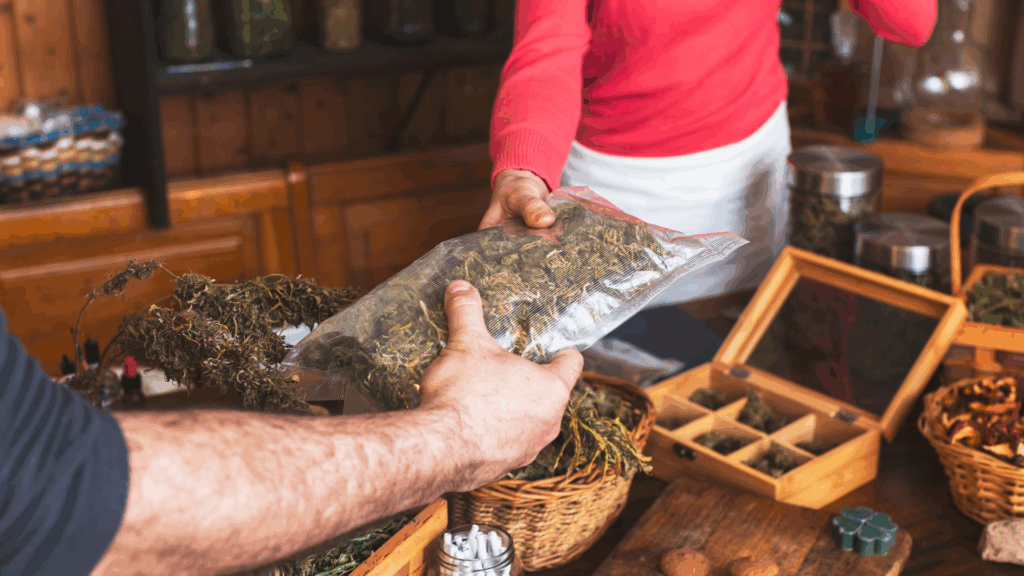
Legal cannabis only comes from government-authorized retailers. Each province runs their system differently. Some provinces operate government stores while others license private shops.
Alberta, Ontario, and BC use private retail models where licensed businesses run the stores. Quebec, Nova Scotia, and PEI have government-run shops. The selection and prices vary quite a bit depending on which system your province uses.
Every province offers online ordering through official channels. The federal Cannabis Act allows interprovincial online sales, though some provinces only let you order from in-province sources. Age verification happens when the courier delivers your order. They check ID before handing over the package.
Selling cannabis privately between people stays illegal everywhere in Canada. You can’t sell to friends, family, or strangers, not even small amounts.
Sharing cannabis for free between adults in private is fine, but any money changing hands makes it illegal distribution. Get caught and you’re looking at fines up to $5,000 or up to 14 years in prison depending on how much was involved.
Black market purchases come with serious risks beyond just legal trouble. Unregulated products might have pesticides, mould, or dangerous additives in them. The THC levels claimed often turn out wrong, leaving you with unexpectedly strong or weak effects.
Contamination is a real concern with illegal cannabis. Legal products go through mandatory testing for contaminants, accurate potency, and quality standards that black market sellers ignore completely.
Working at a cannabis store requires specific training and background checks. Provinces make employees complete courses on regulations, product knowledge, and checking IDs properly.
Criminal background checks screen potential workers, and drug trafficking convictions usually disqualify you. These requirements help ensure the people selling cannabis actually know what they’re doing and follow the rules.
Medical Cannabis Regulations
Medical cannabis runs under different federal rules through Health Canada. Patients need authorization from their healthcare provider to access medical cannabis.
Doctors and nurse practitioners can authorize it, and in some provinces other healthcare providers can too. The authorization states how many grams per day you can use and how long the authorization lasts.
Registered medical patients can possess way more than recreational limits allow. Medical authorization lets you carry your prescribed amount plus a 30-day supply.
Someone authorized for 5 grams daily can legally have 150 grams plus the standard 30-gram public possession amount. You need to carry your registration papers when transporting medical cannabis above recreational limits.
Medical users can grow more plants than recreational growers. Your authorization lets you grow plants based on your daily prescription. The formula allows five plants per gram of daily prescription, up to certain maximums.
A patient prescribed 2 grams daily could grow 10 plants at home. You can also designate someone else to grow for you if you can’t do it yourself.
Licensed Producers ship medical cannabis directly to registered patients. These federally licensed companies verify your registration and mail products to your address. Medical cannabis bypasses provincial retail systems entirely, operating under direct federal oversight. You pick your Licensed Producer and order products online or by phone.
Taxes work differently for medical versus recreational cannabis. Medical cannabis authorized by healthcare providers qualifies as a medical expense for tax credits.
Recreational purchases never qualify for tax benefits. This difference provides some financial relief for patients who need cannabis to manage medical conditions.
Workplace Policies and Cannabis Laws Canada
Employers can still create drug-free workplace policies even though cannabis is legal. Federal legalization doesn’t stop private businesses from restricting what employees do.
Companies can ban use during work hours, test employees, and discipline workers who break policies. Jobs involving safety often have stricter rules than desk jobs.
Showing up to work impaired can get you fired regardless of legalization. Employers can discipline or terminate employees who appear high during work hours. What you do off duty that doesn’t affect your job performance gets more protection. Many companies updated their policies to focus on workplace impairment instead of what you do on your own time.
Medical cannabis patients get some workplace protections under human rights laws. Employers have to accommodate medical cannabis use unless it creates serious hardship for the business.
Accommodation might mean modified duties, adjusted schedules, or letting you use cannabis during breaks in specific areas. Safety-sensitive positions limit accommodation options though, especially when impairment creates real risks.
Drug testing at Canadian workplaces follows strict legal limits. Random testing of everyone typically violates privacy rights unless safety concerns justify it. Testing before you get hired faces legal challenges except for safety-sensitive jobs.
Testing after workplace accidents or safety violations gets more legal support. Companies that test need clear policies and legitimate safety reasons backing them up.
Packaging and Product Standards
Federal rules require specific packaging for legal cannabis. Products come in child-resistant, tamper-evident containers. Package exteriors use plain colours with tight restrictions on branding, logos, and graphics. Health warnings appear prominently, similar to tobacco products.
Labels clearly show THC and CBD content. Products display potency in milligrams or percentages. Equivalency information helps you understand dosing. Labels include standardized cannabis symbols and health warnings about risks.
Edibles face particularly strict rules that limit what producers can do:
- Maximum 10 milligrams of THC per package
- Individual servings can’t exceed 10 milligrams either
- Can’t look like candy, desserts, or other items appealing to children
- Shapes, flavours, and packaging all get reviewed to prevent youth appeal
Licensed Producers test all products before they reach consumers. Cannabis gets tested for pesticides, heavy metals, microbial contaminants, and mycotoxins. Potency testing makes sure THC and CBD levels match what the label says. Products that fail testing never make it to stores. These quality controls separate legal cannabis from sketchy black market products.
International Travel and Cannabis Laws Canada
Cannabis stays illegal for international transport despite being legal in Canada. Taking cannabis across Canadian borders in any direction breaks federal law.
This applies to every country, even places where cannabis is legal like some U.S. states. Border officials actively screen for cannabis, and possession at border crossings brings serious criminal charges.
Telling border officials about cannabis use creates entry problems. U.S. border agents commonly ask about marijuana consumption. Honest answers about your legal Canadian use can get you denied entry and potentially banned from the United States for life. Working in the cannabis industry also raises red flags with border officials.
Many countries hand out harsh penalties for cannabis possession. Some nations impose lengthy prison sentences or even death penalties for cannabis offenses.
Canadian legalization provides zero protection in foreign countries. You need to respect destination country laws no matter what Canadian policies say.
Bringing cannabis back to Canada from abroad is illegal too. Legal cannabis must come from authorized Canadian sources. Importing cannabis from places like Amsterdam or U.S. dispensaries violates the Cannabis Act. Border security screens returning travellers, and declaring legal foreign purchases leads to seizures and potential charges.
Staying Compliant with Cannabis Laws Canada
Understanding cannabis laws Canada keeps you out of legal trouble while you enjoy legal marijuana access. Federal rules set the basics, but provincial and territorial governments shape what actually happens day to day.
Age restrictions, possession limits, where you can use it, and growing rights all change based on location. Knowing your specific province or territory prevents problems. Rules get updated regularly, so check current laws before assuming anything. Legal cannabis access comes with responsibilities every Canadian consumer needs to understand and follow.